Bike lanes not to blame for congestion

What the traffic data shows
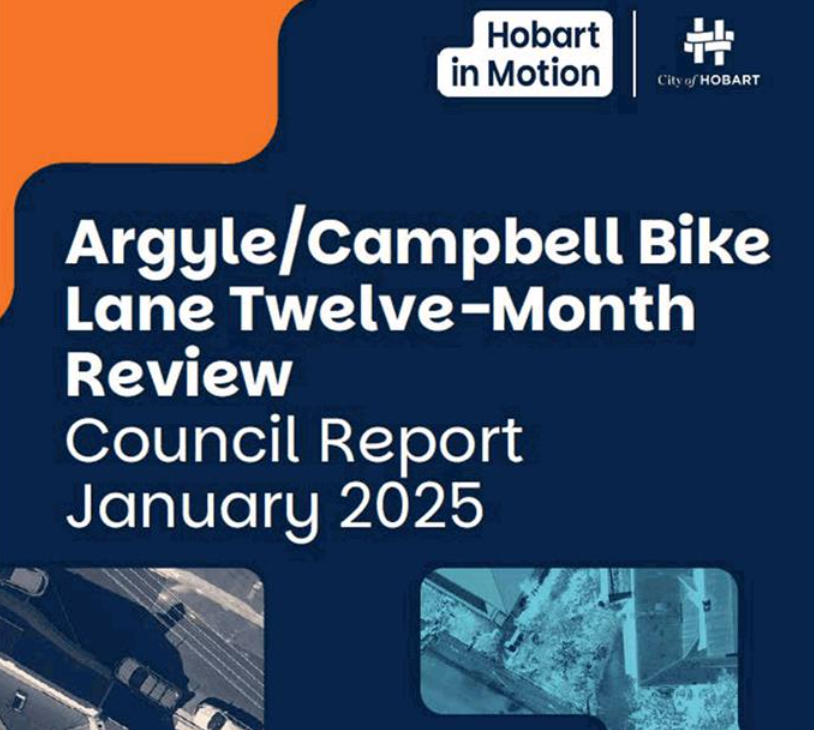
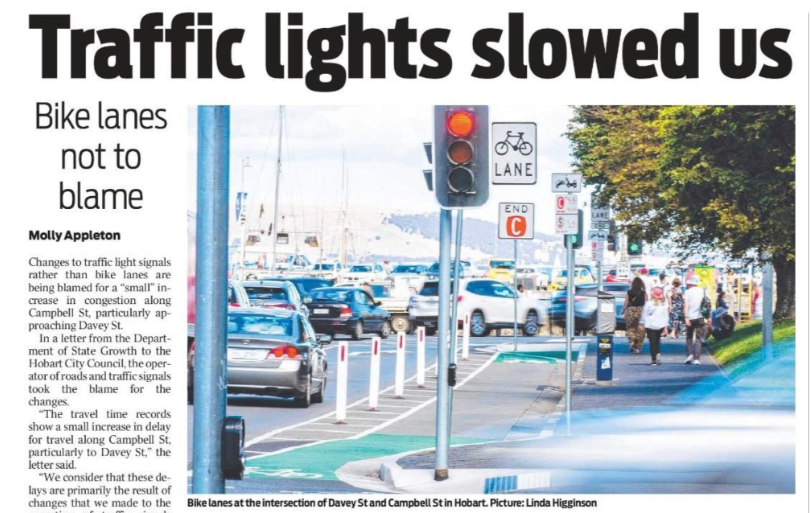
A 12-month review of traffic data for Campbell Street and Argyle Street shows no notable increase in motor vehicle travel times since the bike lanes were installed.
This finding is based on data collected by the Department of State Growth and presented by Council in a formal report [here].
How the data is collected
Traffic travel times are analysed using Bluetooth signals from in-vehicle devices, such as car stereos. Each device emits a unique signal that can be anonymously detected by roadside receivers installed by the Department of State Growth.
As vehicles pass multiple receivers, these “pings” allow analysts to calculate how long it takes cars to travel between points — effectively measuring travel time from A to B to C.
Results from the review
According to the Council report:
“The travel time data does not, at face value, suggest any major impacts to vehicle travel times have occurred which can be attributable to the installation of the facilities.”
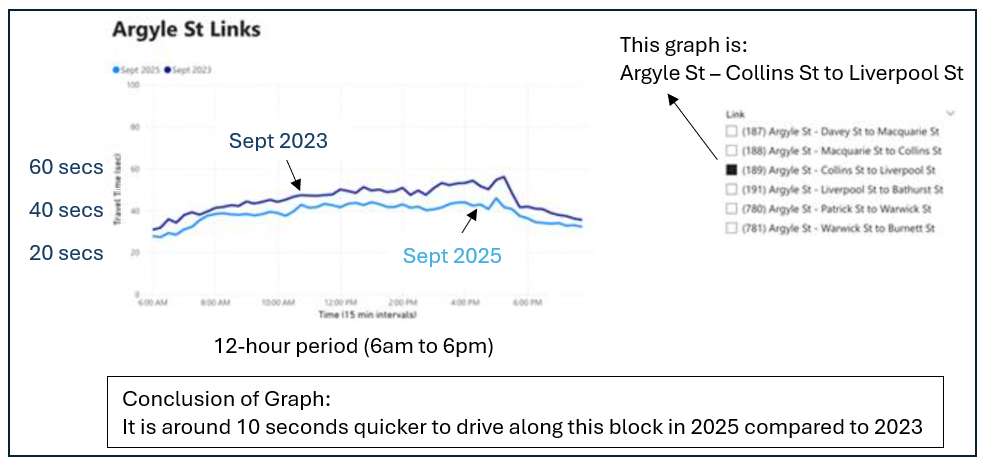
The Department of State Growth provided block-by-block data to Council. In most cases, changes in travel time since 2023 are minor, typically in the range of 1–10 seconds per block.
(All graphs and detailed results are available [here].)
The data also shows that car use across the city has increased since 2023, including on Campbell Street and Argyle Street. This runs counter to the common — but incorrect — narrative that bike lanes deter people from coming into the city.
Change in traffic light signals
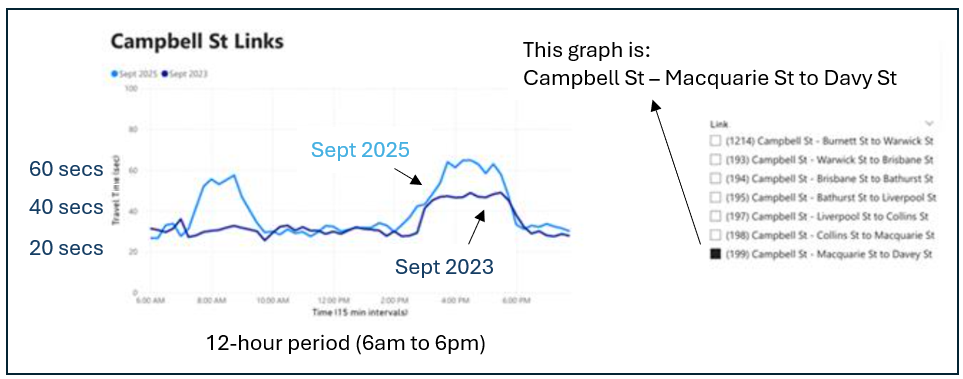
Further context is provided in a letter from the Department of State Growth to Hobart City Council, which explains that recent traffic signal timing changes have likely caused the delays observed between Macquarie St and Campbell Street.
The department notes:
“The travel time records show a small increase in delay for travel along Campbell Street, particularly to Davey Street.”
It also clarifies that these delays are mainly linked to signal operations, stating:
“We consider that these delays are primarily the result of changes that we made to the operation of traffic signals along Macquarie Street and Davey Street, to improve traffic flow on these critical movement corridors.”
Conclusion
A year of data shows that bike lanes on Campbell Street and Argyle Street have not led to notable increases in travel times. Where small delays exist, they are linked to traffic signal changes and rising car use across the CBD, not cycling infrastructure.
The evidence suggests bike lanes are not the cause of congestion, but part of a broader approach to moving people safely and efficiently while giving Hobartians more travel choices.